Skip to content

The Blog

Practical, in-depth articles on software development, cloud, DevOps and AI for startups and growing businesses.

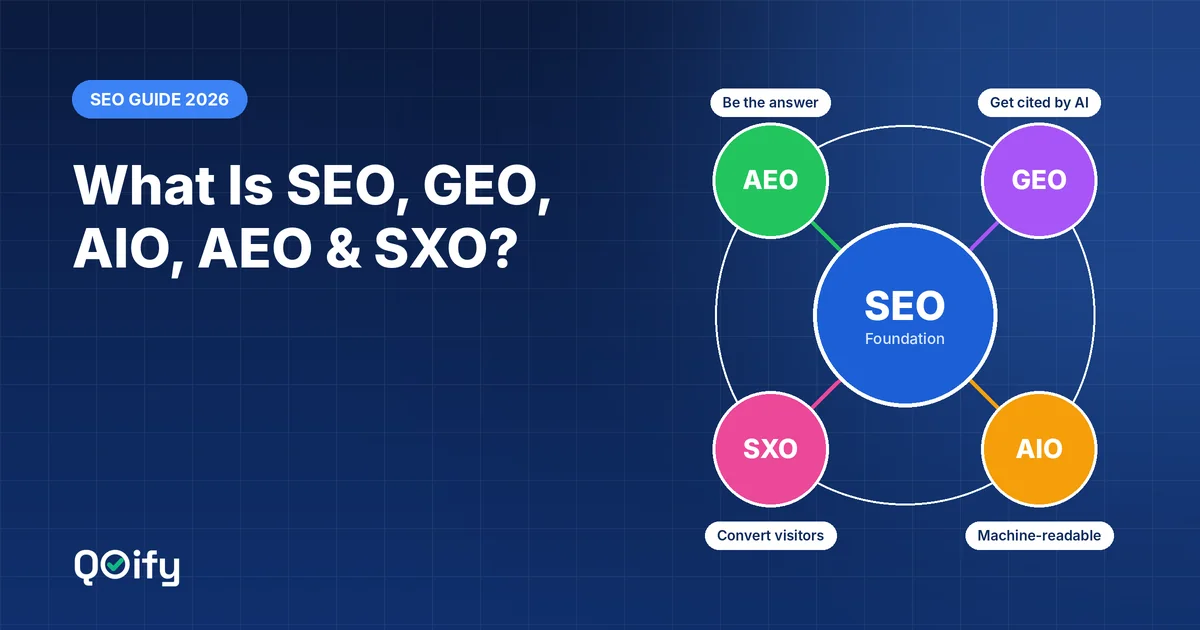
Diagram of SEO at the centre connected to AEO, GEO, AIO and SXO

SEO

What Is SEO, GEO, AIO, AEO & SXO? The Complete 2026 Guide

SEO gets your pages ranked in search results, AEO makes your content the direct answer, GEO gets it cited inside AI-generated answers, AIO makes it easy for any AI system to understand, and SXO turns the visit into a customer. They are layers of one strategy, not rivals.

Ananya Sharma

Ananya Sharma

· 8 min read

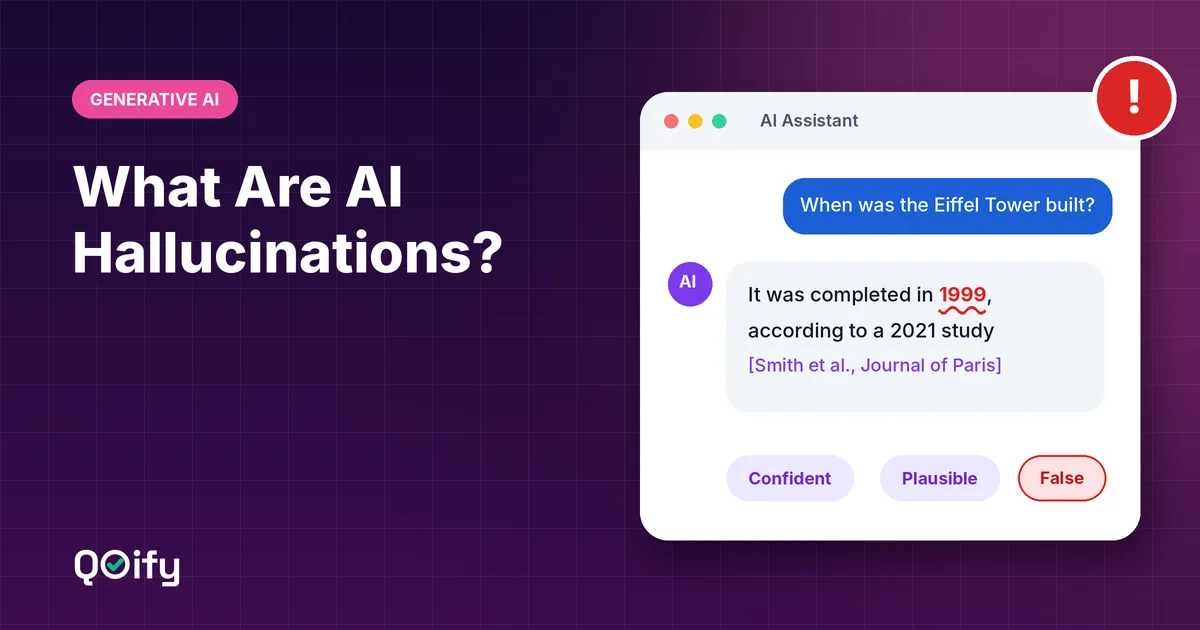
Illustration of an AI chat bubble with a confident but incorrect answer

Artificial Intelligence

What Are AI Hallucinations? Why Generative AI Makes Things Up

An AI hallucination is output that sounds plausible and confident but is false, invented or not supported by the information the model was given. It happens because generative models predict likely text instead of looking up facts, and it can be reduced, though not eliminated, with grounding, tools and verification.

Rohan Mehta

Rohan Mehta

· 7 min read

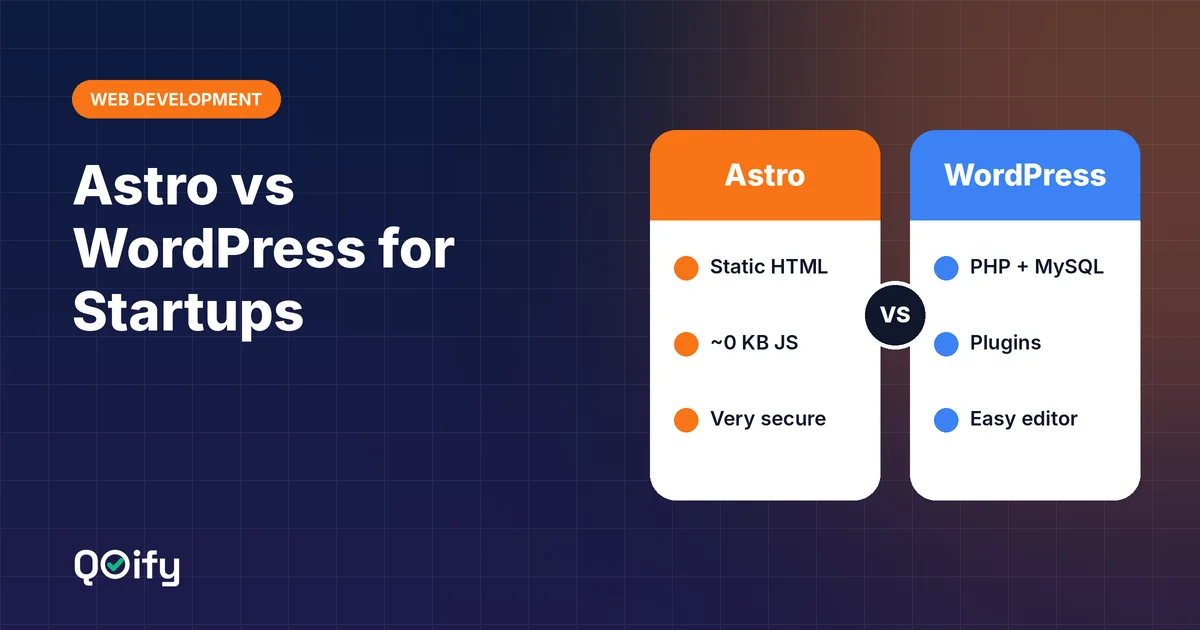
Astro and WordPress compared side by side: static HTML, minimal JavaScript and security versus PHP, plugins and an easy editor

Web Development

Astro vs WordPress: Which Is Better for a Startup Website in 2026?

For most tech startups, Astro is the better choice: it ships fast, plain HTML that Google and AI search engines read easily, is very secure and costs almost nothing to host. WordPress is better when a non-technical team needs a full visual editor, daily publishing and plugins.

Q Team

Q Team

· 6 min read

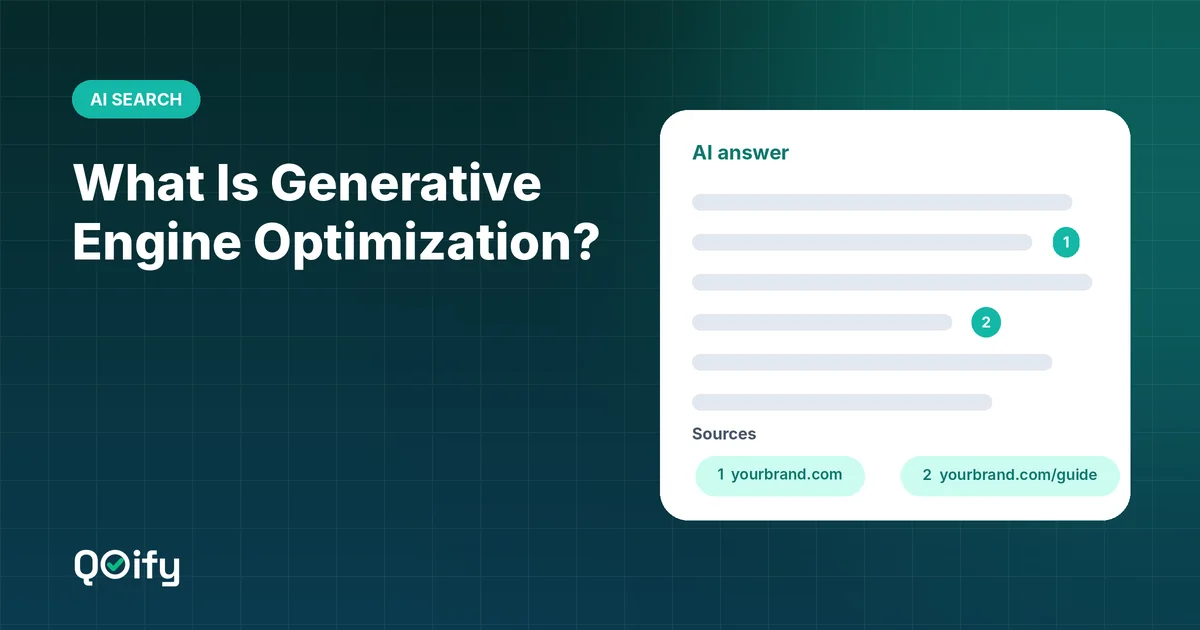
An AI-generated answer card with numbered citations linking to the source website

SEO

What Is Generative Engine Optimization (GEO)? A Practical Guide

Generative Engine Optimization (GEO) is the practice of structuring and promoting your content so AI answer engines such as ChatGPT, Perplexity, Gemini and Google AI Overviews can find it, trust it and cite it in their answers.

Ananya Sharma

Ananya Sharma

· 5 min read

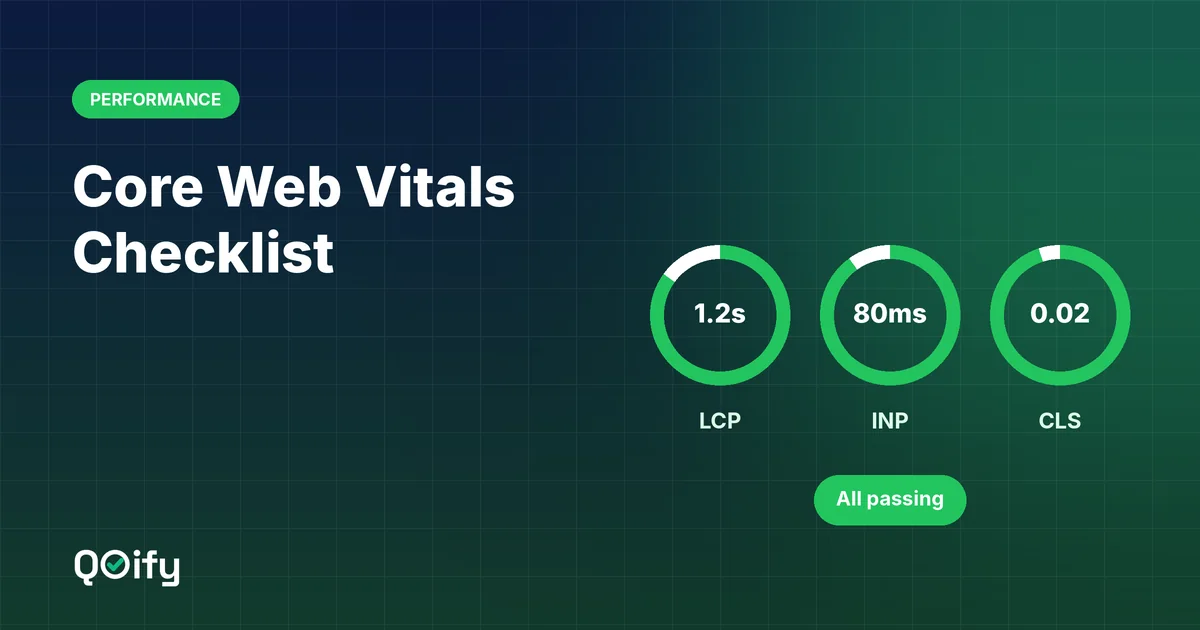
Three green gauges showing passing Core Web Vitals scores for LCP, INP and CLS

Web Development

Core Web Vitals Checklist for Small Business Websites

Core Web Vitals measure loading speed (LCP), responsiveness (INP) and visual stability (CLS). To pass, aim for LCP of 2.5 seconds or less, INP of 200 ms or less and CLS of 0.1 or less for at least 75% of real visits.

Q Team

Q Team

· 5 min read